ServicesInherited & Probate Houses
Selling an Inherited or Probate House in Tracy
An inherited house sells under a will, a trust or a court order, and each path has its own rules. We confirm who can sign, record the property's condition for the carrier and the heirs, and guide the estate from the first paperwork to closing.
What an estate sale actually involves
Selling a house that came to you through a death is a legal process before it is a sale. Someone has to hold authority to sign. That is an executor or administrator appointed by the court, or a successor trustee if the property sat in a living trust. Until that authority is in place, no title company will back the transfer and no escrow can close.
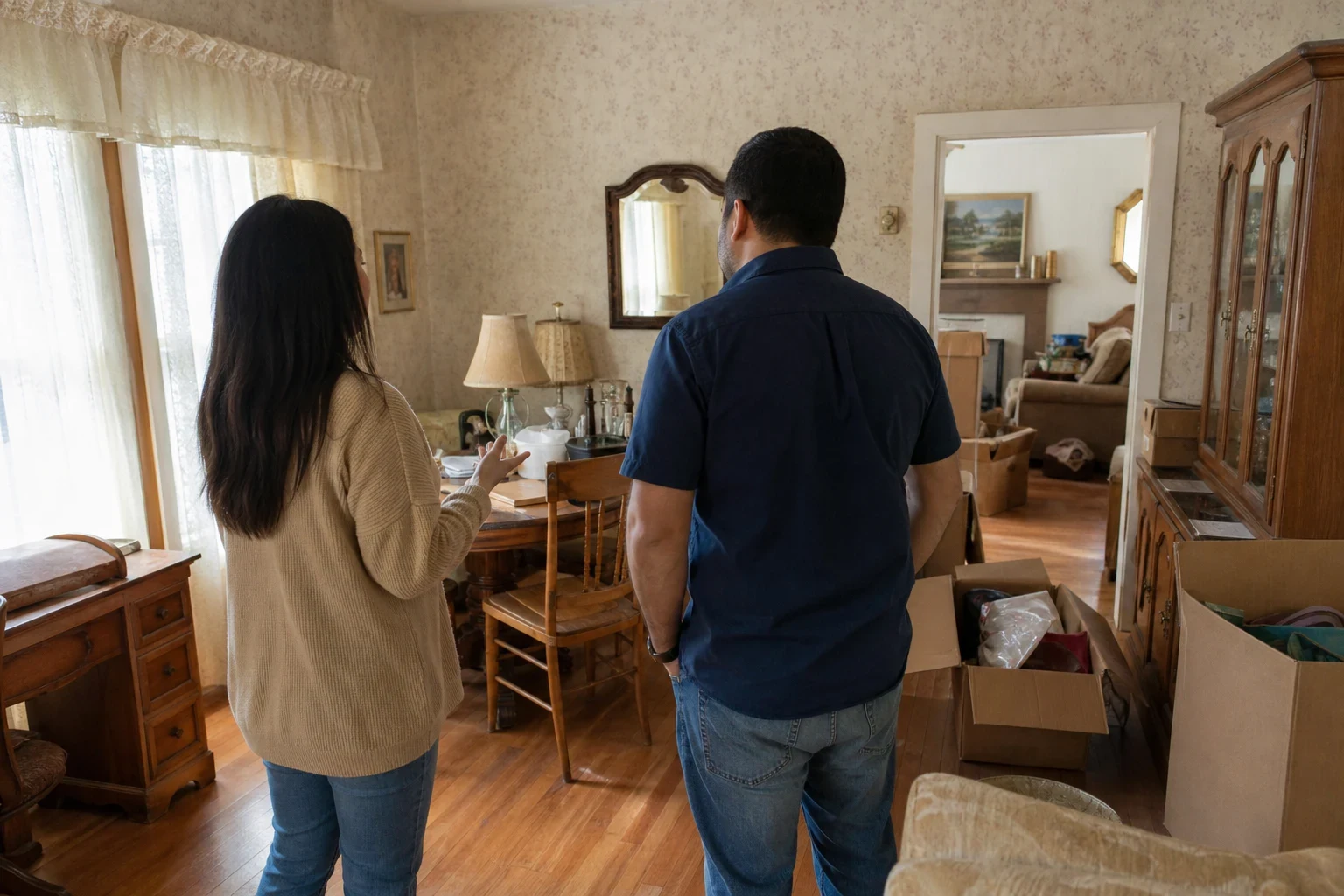
We work with that person, often by phone and video, since many heirs live outside the area. We confirm which path the property is on, what the attorney or court still needs, and what has to happen at the house before a buyer walks through it.
We also spend time on a part most people skip: insurance and the condition record. A house that stands empty after a death is exposed in ways an occupied one is not, and a dated file of photos protects the estate if something goes wrong before closing.
What we handle on an estate sale
- Probate or trust path check
- We confirm whether the house passes through probate court or a trust, because that decides who signs and how long it takes. A representative granted full powers by the court can often sell without a judge reviewing the price. When the powers are limited, the court sets a confirmation hearing, and other bidders can step in and overbid in the courtroom.
- Condition documentation
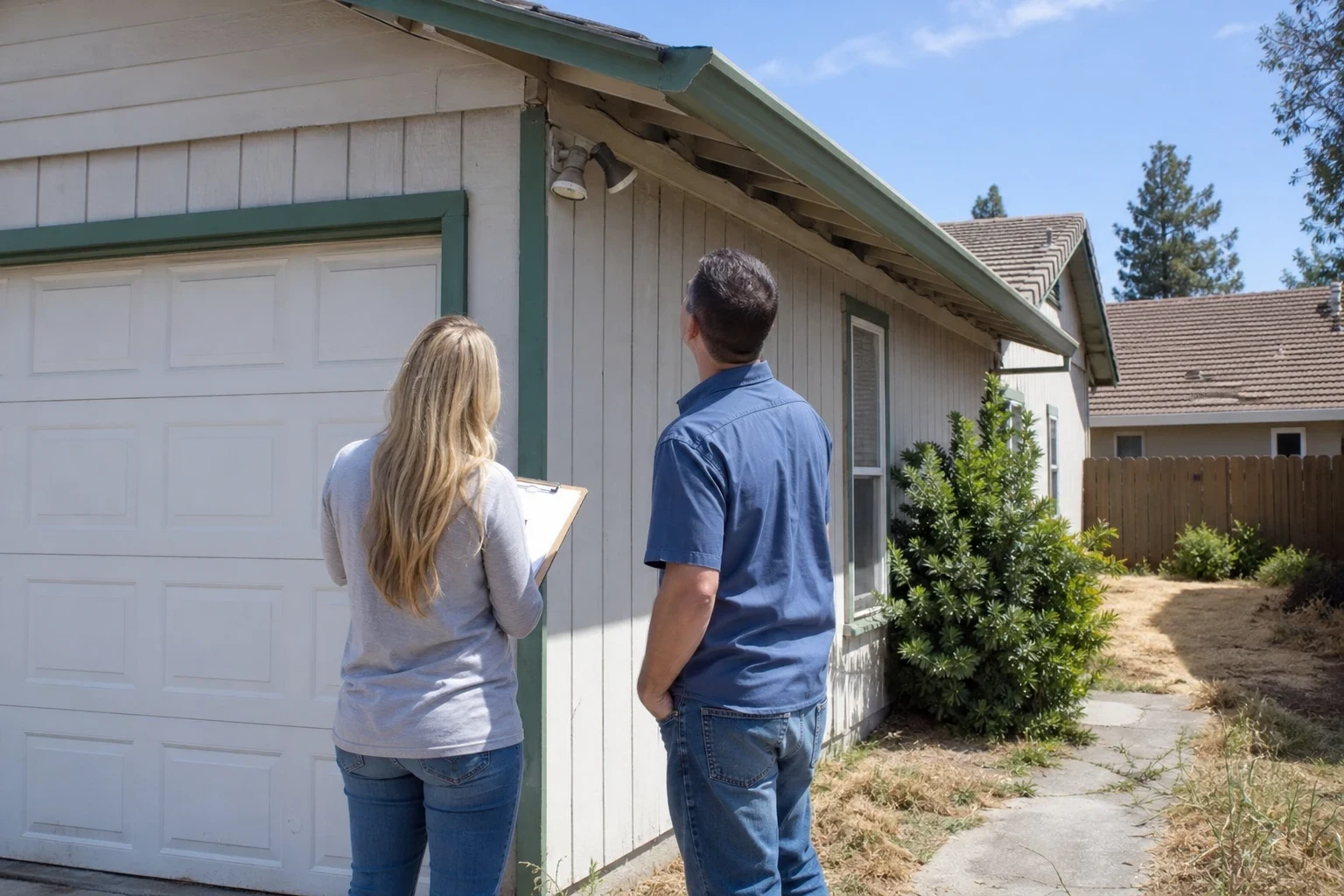
- Before anything is moved, we help you photograph each room, the roof, the water heater, the electrical panel and any stains or leaks, with dates. That record supports a claim with the carrier if one is needed and gives the estate an honest base for its disclosures.
- Policy and coverage review
- Many policies change or restrict coverage once the named owner dies or the house sits unoccupied for a stretch of time. We point out the clauses to read and the questions to put to the carrier. We explain how a claim works; the carrier and its adjuster decide coverage.
- Clean-out order
- Decades of furniture, papers and stored items have to go somewhere. We lay out a sequence: secure documents and valuables first, let family take what they want, then donation and haul-away.
- Pricing from real comparables
- We price from recent nearby sales and the house's actual condition. That gives the executor a defensible number if the court or another heir asks how the price was set.
- Attorney and escrow coordination
- We keep the estate attorney and the escrow officer on one timeline, including notice periods and any hearing date.
Signs it is time to plan the sale
The house is sitting empty
Empty houses collect problems quietly: a slow drip under a sink, a worn toilet flapper running for weeks, rodents in the attic. Tracy summer heat in a closed-up house is also hard on finishes and appliances.
One heir is paying everything
Property tax, utilities, the policy premium and any HOA dues keep arriving. When one sibling covers them all, a sale plan settles the question before it turns into a dispute.
No one has called the carrier
If the carrier has not been told about the death, the policy may still name someone who is no longer living. Sort that out now, not at closing.
Heirs disagree on keep or sell
A written valuation and a clear timeline put everyone on the same facts. We lay out the numbers; the decision stays with the family and the personal representative.
A representative has been appointed
After the judge signs the appointment order, the clerk hands the executor or administrator their Letters, the document escrow and title will ask to see. From that point the personal representative can usually start preparing a sale, which makes it a good time to talk.
What affects the cost and the estate's net
An estate sale carries the normal costs of selling plus a few that come from probate or trust administration. We go over each one by phone before the estate commits to anything. The figures depend on the property and the legal path it is on.
Probate versus trust
Court-supervised sales can add attorney time, a probate referee's appraisal and hearing dates. A trust sale usually skips those steps.
Condition and belongings
The volume of contents, deferred maintenance and any chosen repairs change what is spent before closing and what a buyer will pay.
Months of carrying costs
Each month adds tax, coverage, utilities and upkeep. A slow court calendar or a disagreement between heirs stretches that out.
Loans and liens
A remaining mortgage, a reverse mortgage or unpaid property tax is paid from the proceeds at closing.
Tax questions
Inherited property often receives a stepped-up basis, and California's Proposition 19 changed how property tax is reassessed when heirs keep a house. We flag these questions; a tax professional answers them.
How an inherited property sale runs
- 1
First call and paperwork review
We ask who holds authority, whether there is a will or trust, and where the case stands. Have the death certificate, the trust or Letters, the latest tax bill and the policy's declarations page nearby.
- 2
Walkthrough and condition record
We walk the house in person or by video and build the photo record room by room. We note what an inspector will likely flag, such as an aging roof, a water heater missing seismic strapping, or old galvanized supply lines.
- 3
Repair or sell as-is
Some fixes pay back and many do not. We give the estate a plain comparison so money is not spent on work a buyer would tear out anyway.
- 4
Offers and court steps
We bring offers to the personal representative or trustee, time any Notice of Proposed Action or confirmation hearing, and keep the heirs informed.
- 5
Escrow and closing
Escrow pays off any loan, liens and closing costs. Net proceeds go to the estate or trust account for distribution under the will, trust or court order, not to an individual heir.
Questions about inherited and probate houses
Do we have to wait for probate to close before selling?
In most cases, no. The sale can start after the judge appoints the personal representative and the Letters are in hand, well before final distribution. Full powers under the court's order may let the sale close without a hearing, while limited powers mean a judge approves it first.
The house was in a living trust. Does it still go to probate?
Usually not. The successor trustee can generally sell under the trust's terms after the right documents are recorded with the county. Your attorney confirms that step, and we can plan the sale alongside it.
Does the old insurance policy still cover the house after the owner died?
It might, but do not assume it. Tell the carrier about the death and whether the house is occupied, and ask in writing what is covered. If coverage has lapsed, a vacant-property policy may be needed until closing.
Something was damaged while the house sat empty. What do we do?
Photograph it before any cleanup, write down the date you found it, and stop further damage if you safely can, such as shutting off the water main. Then report it to the carrier. We help you organize the photos and records; the adjuster determines what the policy pays.
Do we have to fix the house before selling?
No. Many inherited houses sell as-is, with the estate disclosing known conditions. We show you the few repairs that might move the price and the ones that would be wasted money.
Several heirs live out of state. Can this be done remotely?
Yes. We work from our office and by phone and video. Documents can usually be signed electronically or with a mobile notary, depending on what escrow requires.
Talk through the estate's next step
Tell us who holds authority, where the case stands and what shape the house is in. We will lay out the path from here to closing.